

Plaque psoriasis is the most common type of psoriasis, affecting millions of people worldwide. It causes red, scaly patches on the skin, which can be itchy, painful, and sometimes crack or bleed. While not contagious, it is a chronic condition that can come and go in cycles. Understanding its symptoms, causes, and treatment options can help those affected manage their condition and improve their quality of life.
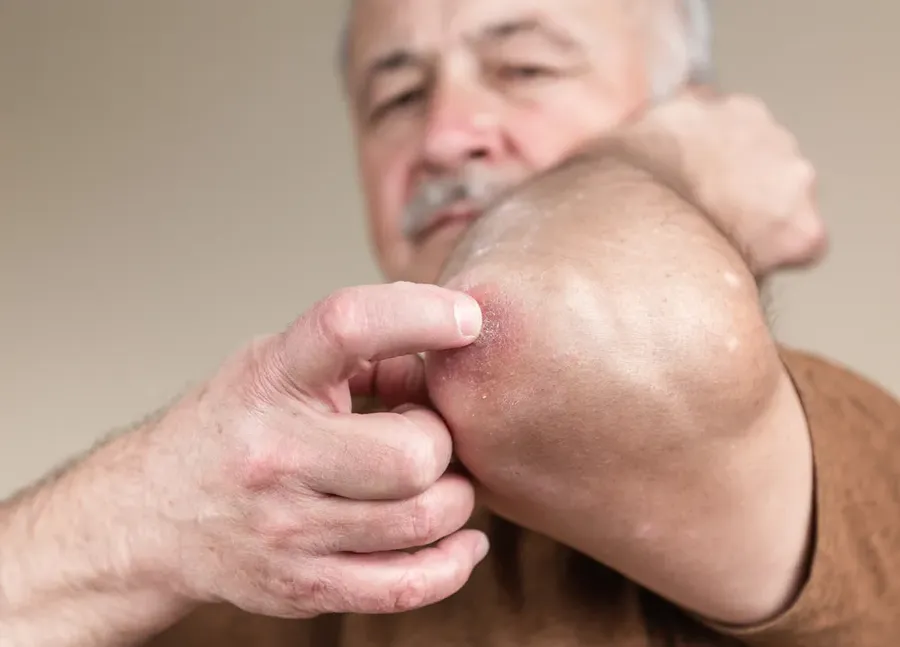
Symptoms of Plaque Psoriasis
Plaque psoriasis causes thick, raised patches of skin called plaques. These plaques are often covered with a layer of silvery-white scales. They typically appear on the scalp, elbows, knees, and lower back, though they can develop anywhere on the body.
Common symptoms include:
- Red, inflamed skin with a scaly surface
- Itching, burning, or soreness in affected areas
- Cracked skin that may bleed
- Thickened, ridged, or discolored nails
The severity of plaque psoriasis varies. Some people have only a few small patches, while others experience large, widespread areas of irritated skin.
Causes and Triggers of Plaque Psoriasis
Plaque psoriasis is an autoimmune disorder. This means the body’s immune system mistakenly attacks healthy skin cells. Normally, skin cells grow and shed over several weeks. In people with psoriasis, this process speeds up, causing new cells to build up too quickly, leading to thick plaques.
The exact cause of this immune system overreaction is unknown, but genetics play a major role. If one or both parents have psoriasis, the risk of developing it increases. However, not everyone with a family history will get the condition.
Several factors can trigger or worsen flare-ups, including:
- Stress – High stress levels can lead to outbreaks.
- Infections – Illnesses like strep throat can trigger psoriasis.
- Skin injuries – Cuts, scrapes, or sunburn can cause new plaques to form.
- Weather – Cold, dry weather often worsens symptoms.
- Certain medications – Some drugs, like beta-blockers and lithium, can trigger flare-ups.
- Smoking and alcohol – These can make psoriasis worse or harder to treat.
Treatment Options for Plaque Psoriasis
While there is no cure for plaque psoriasis, several treatments can help manage symptoms and reduce flare-ups. Treatment choices depend on the severity of the condition.
Topical Treatments
For mild to moderate psoriasis, creams and ointments can help reduce inflammation and scaling. Common options include:
- Corticosteroids – These reduce swelling and redness but should not be used for long periods.
- Vitamin D analogs – These slow down skin cell growth.
- Salicylic acid – Helps remove scales and smooth the skin.
Phototherapy (Light Therapy)
This treatment uses natural or artificial ultraviolet (UV) light to slow down skin cell growth. It is effective for moderate to severe psoriasis. However, too much UV exposure can increase the risk of skin cancer, so this therapy must be carefully controlled.
Systemic Treatments
For severe cases, oral or injectable medications may be necessary. These treatments affect the immune system to control psoriasis symptoms. Options include:
- Biologic drugs – Target specific parts of the immune system to reduce inflammation.
- Methotrexate – Slows skin cell growth but requires careful monitoring.
- Cyclosporine – Suppresses the immune system but can have serious side effects.
Lifestyle Changes to Manage Psoriasis
In addition to medical treatments, certain lifestyle adjustments can help reduce flare-ups and improve overall well-being:
- Moisturizing daily – Keeps skin hydrated and prevents cracking.
- Managing stress – Practices like meditation, exercise, or therapy can reduce triggers.
- Eating a balanced diet – Some people find that avoiding processed foods and eating anti-inflammatory foods helps.
- Avoiding smoking and alcohol – These can worsen symptoms and reduce treatment effectiveness.
Manage Your Symptoms
Plaque psoriasis is a chronic condition, but it can be managed with the right treatments and lifestyle choices. Understanding triggers and seeking medical care can help reduce symptoms and improve quality of life.
While there is no cure, ongoing research continues to improve treatment options, offering hope for better long-term management. If you or a loved one has plaque psoriasis, working with a healthcare provider can help find the best treatment plan.